

228
The Art of Cinematography
SBA

The Art of Cinematography — Telling Stories Through the Lens


Let’s start with this: Have you ever watched a video—maybe an ad, maybe a short film—and by the end of it, you just felt something?


You can’t quite explain it. But something about the music, the lighting, the pacing, the way the camera moved—it hit you.


That, my friend, is cinematography doing its job.


It’s not just about fancy lenses or big cameras. It’s about using visuals to tell a story. And in today’s content-heavy world, those who know how to do it well? They win attention. And trust. And love.


What is cinematography, really?


In the simplest terms, cinematography is how you use the camera to tell a story. It’s how a shot feels, not just how it looks.


You’re not just showing a product or a scene—you’re creating an experience through light, movement, color, and emotion.


Want the textbook version? Sure, you can dig into a cinematography database or pick up a few cinematography books. But the best way to understand it is to watch it. And more importantly—feel it.


So why is it such a big deal for brands?


Because visuals are your first impression.


In branding, you’ve got seconds to make someone feel something. They won’t read the caption right away. They might not care about your logo. But they’ll notice how the video feels.


And if that feeling sticks, they stay.


That’s the magic of cinematography in branding. It’s not decoration. It’s communication.


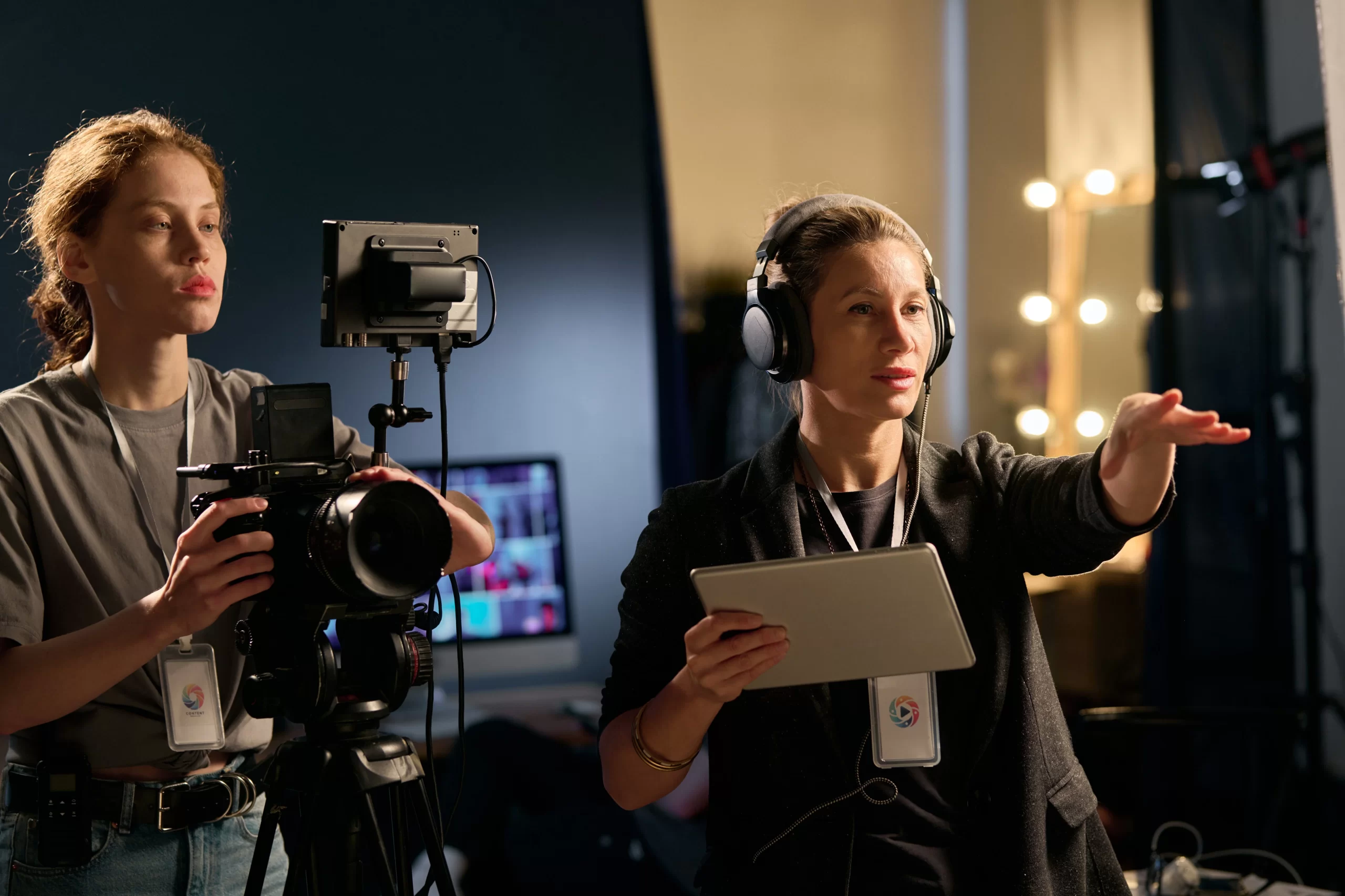
Quick detour: What’s the role of a cinematographer?


Imagine you’re directing a scene. You know the message. You know the mood.


The cinematographer is the one who translates all of that into visuals. They decide where the camera goes, how the light falls, what angle says “power” and which one says “vulnerability.”


In short: They’re the storyteller behind the lens.


They work with the director, yes. But they also work closely with editors, stylists, even marketing teams—especially when it comes to cinematography in advertising.


Is cinematography easy?


Not really. But also—not impossible.


Sure, you’ll see questions floating around like “Is cinematography easy?” or “Is video editing part of cinematography?” (Quick answer: no, editing comes after.)


But here’s the truth: learning the camera is one thing. Learning how to make people feel something with a camera? That takes time, and taste.


Still—tools are everywhere now. YouTube, workshops, cinematography courses, and yes, even TikTok. If you’ve got the eye, you can learn the rest.


The tools of the craft: How cinematography shapes emotion


Let’s break it down:


Camera Movement
Want energy? Try handheld. Want calm? Go static. To feel lost or floating? Use a slow dolly. Movement is emotion in motion.


Lighting Techniques
Soft lighting feels intimate. Harsh lighting? Drama. Shadows can add mystery or depth. Natural light? Timeless. It all matters.


Color Grading
Color isn’t just for looks. It’s for feeling. Warm tones invite. Cool tones distance. Color grading helps seal the mood.


Shot Composition
Where your subject sits in the frame… says a lot. Dead center = importance. Off-center = subtle tension. Symmetry. Space. Layers. It all shapes how we read the story.


All of this creates the “cinematic look” people crave. But it’s not about trends. It’s about intention.


Cinematography for storytelling: Brands that get it


Think of your favorite brand film. Chances are, it didn’t feel like an ad. It felt like… a moment.


That’s visual storytelling in action.


Take a startup food brand, for example. They could just shoot a product and call it a day. But instead—they show families laughing. Soft lighting. Dogs wagging their tails. Slow-motion sauce drips. Why? Because they’re not selling food. They’re selling love, home, joy.


That’s cinematography for storytelling. And yes—it works.


Some low-key cinematography tips for brands


  • Don’t chase perfection — chase feeling. Even if the shot isn’t textbook.


  • Match your visuals to your tone — playful brand? Bright light and snappy edits. Premium brand? Go smooth, slow, soft.


  • Let silence speak sometimes — not every frame needs a voiceover.


  • Build a visual identity — consistency in lighting, movement, colors. It’s part of your brand story.


  • Keep learning — directors and creators grow by watching others. Save references. Try stuff. Be a nerd about it.


But hey—what are the actual cinematic principles?


It depends who you ask. But generally, they cover:


  • Framing and composition


  • Lighting and shadows


  • Movement (of both camera and subject)


  • Timing and pacing


  • Use of color and contrast


  • Emotion first, technique second


It’s less about a checklist and more about making visuals feel alive.


One final thought…


Cinematography isn’t just for directors and filmmakers anymore. It’s for brands. For startups, solopreneurs. For creatives like you, who care about the story you’re putting out into the world.


You don’t need the biggest camera or the most expensive lens.


You need intention, curiosity. And you need to see every frame not as a shot—but as a sentence in your visual story.


Because sometimes, all it takes is one great scene… to say everything.


If this got you thinking about how your brand feels on camera, maybe now’s a good time to take that first small step.

Author name:
Hubaib
Want to connect with us
We would love to assist you on this journey. Drop us your details and let us help you.


    Other Articles
    SBA
    The Hero’s Journey in Brand Films     ...

    The Hero’s Journey in Brand Films     Ever notice how some ads feel less like ads… and more like…

    SBA
    Emotional Narratives: Why Story-Driven Ads Outperf...

    Emotional Narratives: Why Story-Driven Ads Outperform     Ever watched an ad and felt something — like a tiny pull…
    SBA
    Measuring the ROI of Cinematic Advertising Campaig...

    Measuring the ROI of Cinematic Advertising Campaigns     Ever watched an ad so beautifully shot that you forgot it…

    SBA
    Cultural Relevance – Adapting Cinematic Ads to t...

    Cultural Relevance – Adapting Cinematic Ads to the UAE Market     Ever watched an ad in the UAE and…

    SBA
    Advanced Cinematography Techniques Transforming Ad...

    Advanced Cinematography Techniques Transforming Ads     You know those ads that don’t just show a product — they pull…