

874
Shot in UAE Spirit
SBA

Cultural Relevance – Adapting Cinematic Ads to the UAE Market


Ever watched an ad in the UAE and thought, wow, that actually feels like home?
That’s not luck — that’s cultural precision. In a country where skyscrapers meet sand dunes, and English mixes seamlessly with Arabic, brands can’t just “run global ads” and hope for the best. They’ve got to localize cinematically — adapting every frame, color, and dialogue to fit what the UAE audience feels and lives every day. That’s where uae cinematography culture really comes into play.


Cinematic ads in the UAE aren’t just visual candy; they’re bridges. Between Emirati heritage and global modernity. Between Arabic pride and international storytelling flair. Let’s unpack how brands are getting this right — and how others can follow suit.


Using Arabic-English Dual Language Effectively in Video Ads


Here’s the thing — translation isn’t localization. You can’t just swap English for Arabic subtitles and call it a day. In the UAE, language feels emotional. Arabic carries warmth, pride, and rhythm. English brings a global, modern touch. The magic happens when you use both — not to compete, but to complement.
Think of it like a duet. The English line sets up the story, and the Arabic phrase seals the emotion. Many UAE brands now build bilingual scripts from scratch, rather than translating later. It’s how ads from Dubai Tourism or Sharjah’s “Heart of Culture” campaign hit both Emirati hearts and expat minds at once.
But here’s the catch — tone matters. Humor lands differently in Arabic. Certain idioms sound poetic in one language but flat in another. The smartest cinematic marketers test both sides — checking if the punchline, the dialogue, even the music cues resonate cross-culturally.
So, when planning your next shoot, think: how does uae cinematography culture sound in two languages at once? Because done right, it’s not “bilingual marketing.” It’s bi-emotional storytelling.


Ramadan & Eid in UAE Advertising – A Cinematic Approach


If there’s one season that defines emotional storytelling in the UAE, it’s Ramadan.
This is when brands stop selling and start connecting. It’s not about pushing products — it’s about values: generosity, family, reflection. Cinematic ads during Ramadan carry a soul of their own.


Take Coca-Cola’s Ramadan campaign — no flashy sets, no aggressive branding, just soft light, real families, and authentic emotion. The visuals mirror daily life: suhoor scenes, a quiet prayer, the glow of a lantern. Every second feels like a slice of shared experience. That’s cinematic empathy at its best.


Eid, on the other hand, shifts gears — joy, color, togetherness. Ads become brighter, more dynamic, often showing reunions or acts of giving. The emotional tempo rises.


UAE brands have learned something global advertisers often miss — festive storytelling isn’t a one-size-fits-all template. It’s a living culture. A cinematic Ramadan film here won’t look like one in Egypt or Indonesia — and that’s exactly the point. It’s local, layered, and deeply human.


If you want to win hearts here, make your ad feel like it belongs to the UAE’s festive rhythm. Capture that subtle blend of tradition and tomorrow — that’s what uae cinematography culture truly means during these moments.


Local Symbols & Landscapes as Brand Assets


Now, let’s talk visuals. Because in the UAE, location isn’t just a backdrop — it’s a character.
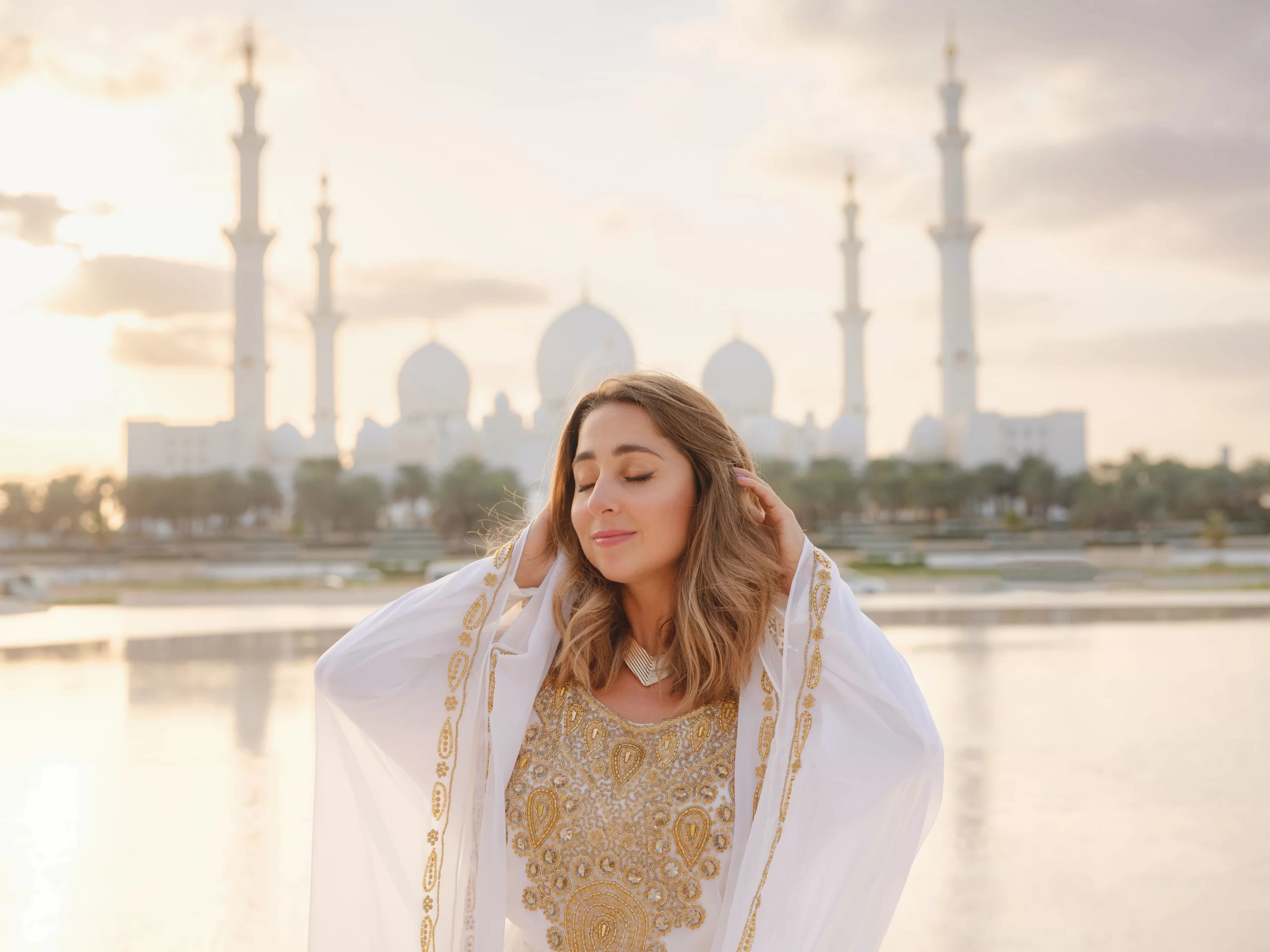
Think desert dunes reflecting gold at sunset. The quiet corners of Al Fahidi. The futuristic skyline of Dubai Marina. Each frame whispers identity.


Brands like Visit Sharjah and Dubai Tourism don’t just show the UAE — they cinematize it. Sweeping drone shots, slow pans over mosques, rhythmic transitions between city and sand. They’re not just promoting a product; they’re projecting belonging.


Even color palettes play a role. Warm tones that echo the desert. Blues that match the Gulf waters. These aren’t aesthetic choices; they’re storytelling cues.


One underrated element? Sound. A faint oud string under a cinematic score instantly roots an ad in the region’s emotional geography. A simple word like “habibi” or “ya salam” can make a story feel like home.


When brands treat UAE’s cultural and natural symbols as creative assets — not stereotypes — they don’t just attract attention, they earn affection. The result? A cinematic identity that feels global yet grounded.


Tailoring Storylines to Multicultural Audiences in the Gulf


Here’s the reality — the UAE isn’t one audience. It’s dozens.
Emiratis, South Asians, Arabs, Western expats, Africans — all living, working, and consuming content together. So how do you make one cinematic ad speak to all? Through universal emotion.


Love. Pride. Hope. Nostalgia. These are global feelings. The trick is expressing them through local nuances. A father-son story can hit home in every culture — but maybe the clothing, home interiors, or rituals in your film give it UAE texture. The cultural cues make it authentic, not generic.


Some of the most powerful ads here use minimal dialogue for this reason. Visual storytelling crosses language barriers — a smile, a gesture, a shared meal. That’s how Dubai Tourism’s “Starring Dubai” campaign resonated from Manila to Manchester. The story was cinematic, but the soul was UAE.


If you’re planning to shoot or script for this market, ask yourself:
Can someone from Abu Dhabi and someone from Mumbai both feel this?
If the answer’s yes — you’re tapping into uae cinematography culture the right way.


Bringing It All Together – Storytelling That Belongs


At its heart, adapting cinematic ads for the UAE isn’t about checking cultural boxes.
It’s about belonging.
It’s about seeing this country not as a backdrop for your global brand message, but as a living story that your brand becomes part of.


The UAE audience is smart. They can tell when something’s authentic and when it’s just “localized for the region.” They notice the small things — accents, dress, lighting, even the choice of background music. Every creative decision either builds trust or breaks it.


So maybe next time you’re crafting a storyboard, skip the generic “desert and skyline” montage. Instead, think — what emotion defines this story here? What’s the rhythm, the texture, the pace that feels like the UAE? That’s where cinematic relevance lives.


Because the brands that get remembered here? They’re not just visible.
They’re felt.


Final Takeaway


Cinematic storytelling in the UAE thrives when it blends emotion with environment, authenticity with artistry.
Bilingual narratives, festive storytelling, iconic visuals, and multicultural inclusivity — these aren’t trends; they’re fundamentals of brand connection in this region.


And if there’s one golden rule?
Don’t just film in the UAE.
Film for the UAE.


That’s the essence of UAE cinematography culture — not just what’s seen on screen, but what’s felt in the heart.
Author name:
Aisha Akif
Want to connect with us
We would love to assist you on this journey. Drop us your details and let us help you.


    Other Articles
    SBA
    The Hero’s Journey in Brand Films     ...

    The Hero’s Journey in Brand Films     Ever notice how some ads feel less like ads… and more like…

    SBA
    Emotional Narratives: Why Story-Driven Ads Outperf...

    Emotional Narratives: Why Story-Driven Ads Outperform     Ever watched an ad and felt something — like a tiny pull…
    SBA
    Measuring the ROI of Cinematic Advertising Campaig...

    Measuring the ROI of Cinematic Advertising Campaigns     Ever watched an ad so beautifully shot that you forgot it…

    SBA
    Advanced Cinematography Techniques Transforming Ad...

    Advanced Cinematography Techniques Transforming Ads     You know those ads that don’t just show a product — they pull…

    SBA
    Blending Craft with Culture: The UAE’s Cinematic...

    Blending Craft with Culture: The UAE’s Cinematic Signature     Some films just hit differently. They don’t feel like ads.…