
363
Master the Hollow Man Technique
SBA

What is Ghost Mannequin Photography? (A Quiet Game-Changer for Product Brands)


You ever scroll through an online store and think, “Why do some clothes just look better?” Like, they somehow feel more real even though there’s no model wearing them?
That’s not magic. That’s ghost mannequin photography—and if you sell clothing online, it might just be your new favorite trick.


First off—what even is ghost mannequin photography?


Here’s the simple version:
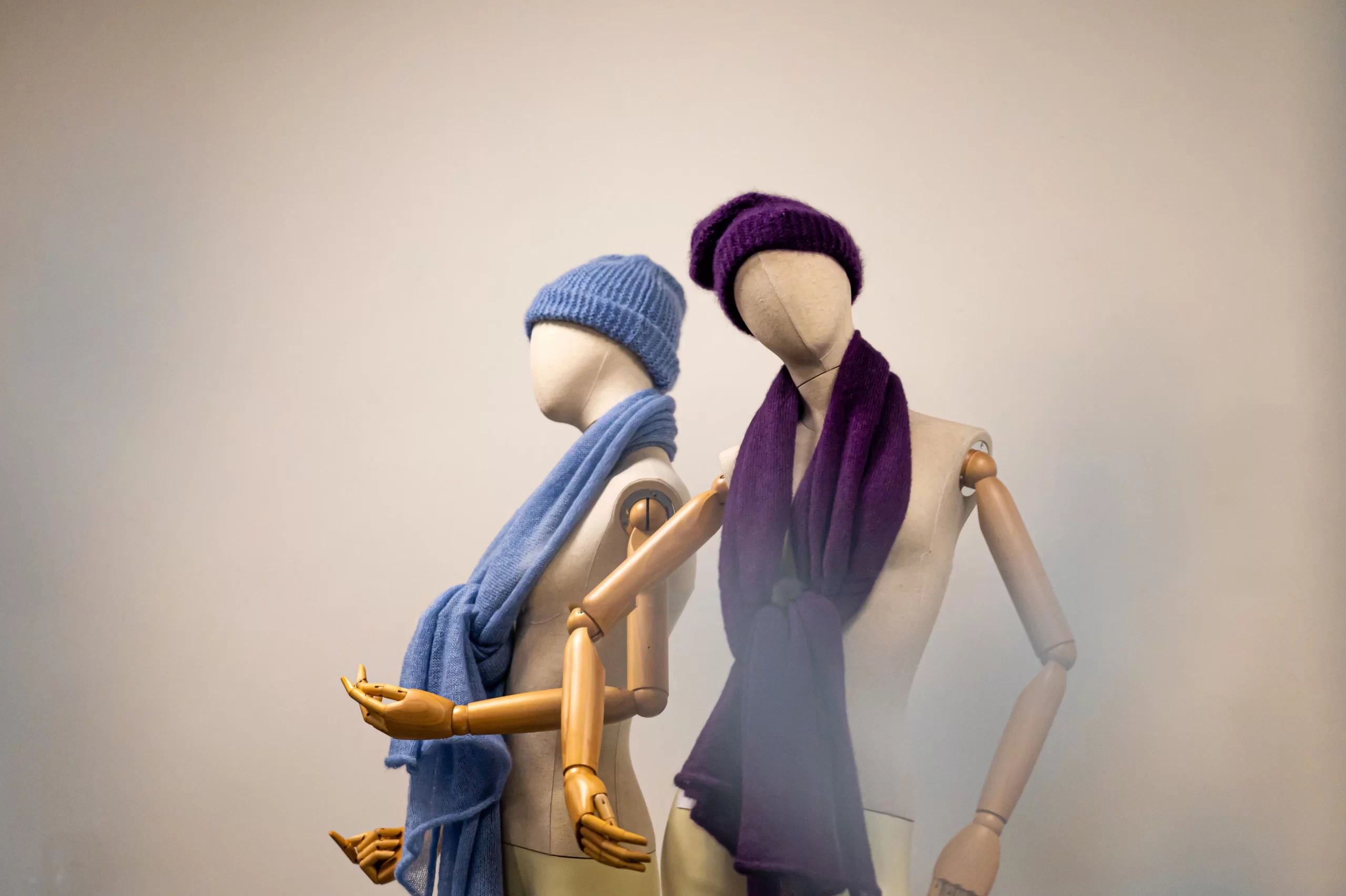
You take a photo of your clothing on a mannequin. Then, you edit out the mannequin so all you’re left with is the product… shaped perfectly, like someone’s wearing it.
But no one is.


It gives this clean, floating look—no model, no distractions. Just your product in its best form.


Some people call it the invisible mannequin effect or the hollow man technique. Fancy names aside, the goal is simple: make your product look structured, premium, and ready to sell.


Why is this such a big deal?


Because flat lay photos? Meh. They don’t tell me anything about how a shirt fits. And lifestyle shoots? Great, but not always doable for every product drop.
This technique hits the sweet spot:
  • It shows form and fit


  • It keeps visuals clean and distraction-free


  • It’s cost-effective (no model, no styling stress)


  • And it’s easy to repeat and scale as your catalog grows


If you’re selling fashion online—especially in a fast-moving market like Dubai—ghost mannequin photography gives your brand that sharp, professional edge without needing a full production team every week.


So, how does this actually work?


Let’s break it down step-by-step:
  • You place the garment on a mannequin—ideally one with removable parts (like the neck or arms).


  • Take photos from multiple angles, keeping lighting even.


  • Then, shoot a separate photo of the garment’s inner areas (like the inside neckline).


  • In editing—usually with Ghost Mannequin Photoshop—you blend it all together and remove the mannequin completely.


What you’re left with? A product that looks like it’s floating in mid-air, but still holds the shape of a real body.


And yes—there’s even ghost mannequin photography AI tools popping up to speed this up. But nothing beats a sharp eye and solid editing for that natural, polished look.


Is this hard to set up?


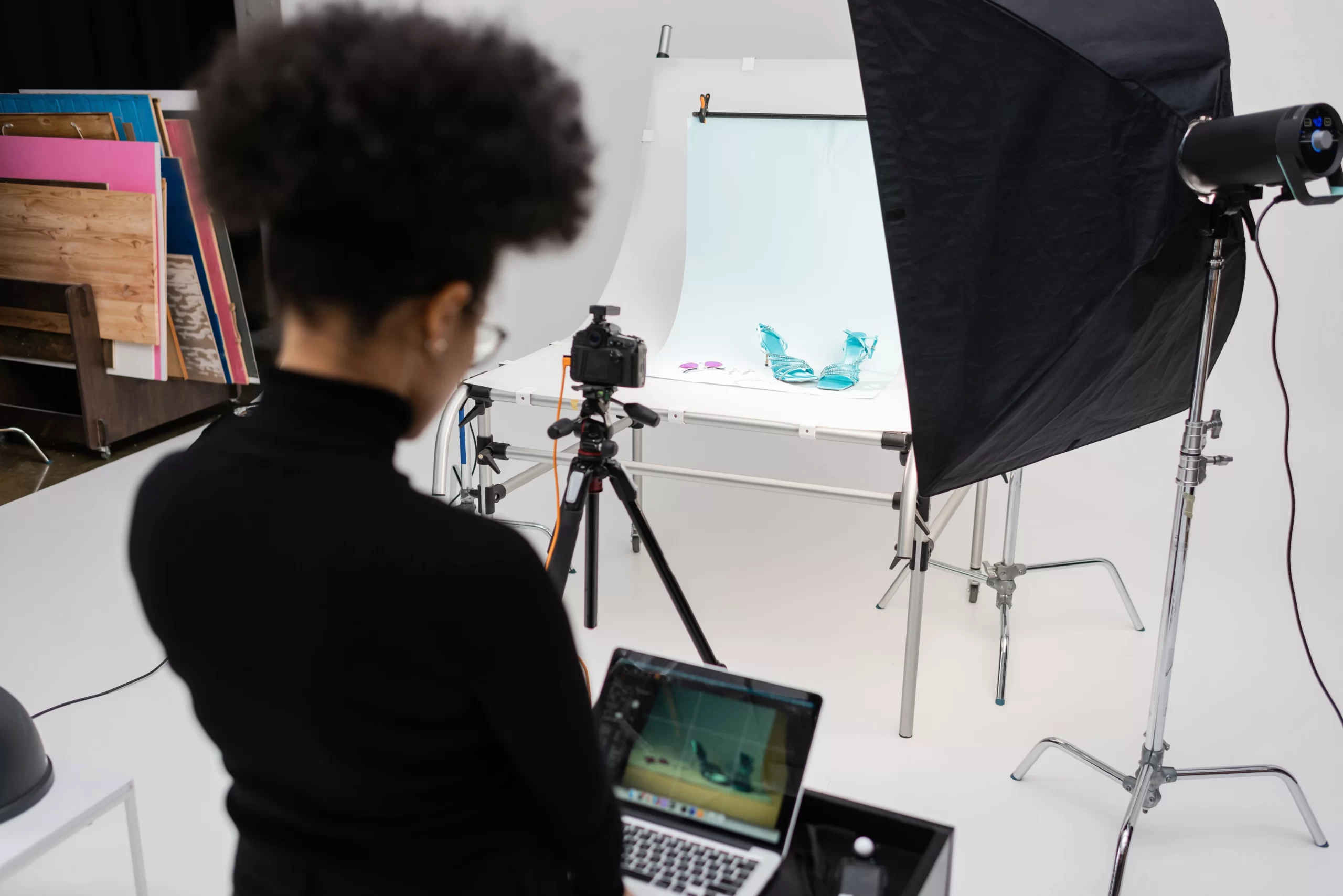
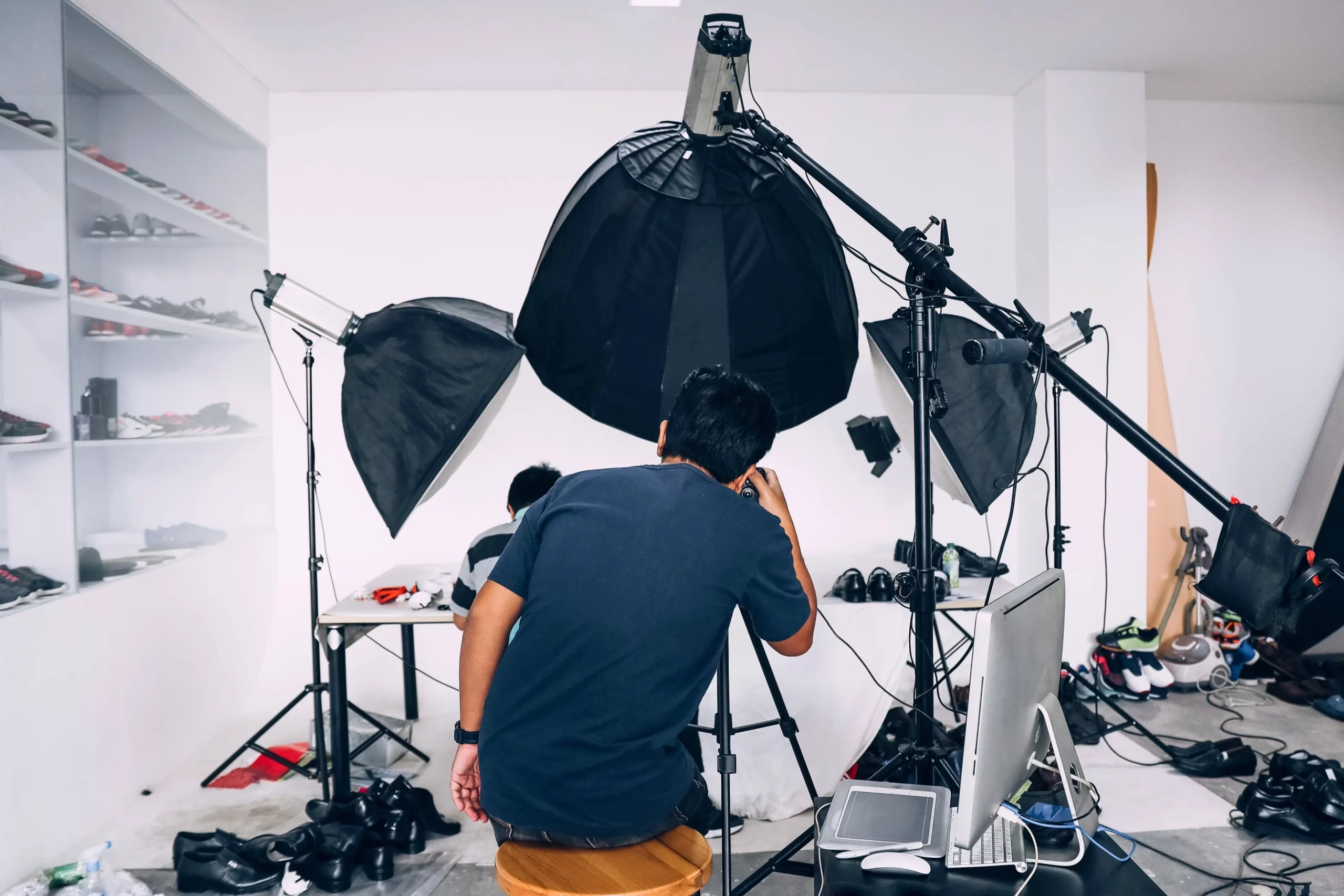
Not really. But you do need a system. Here’s the basic ghost mannequin photography setup:
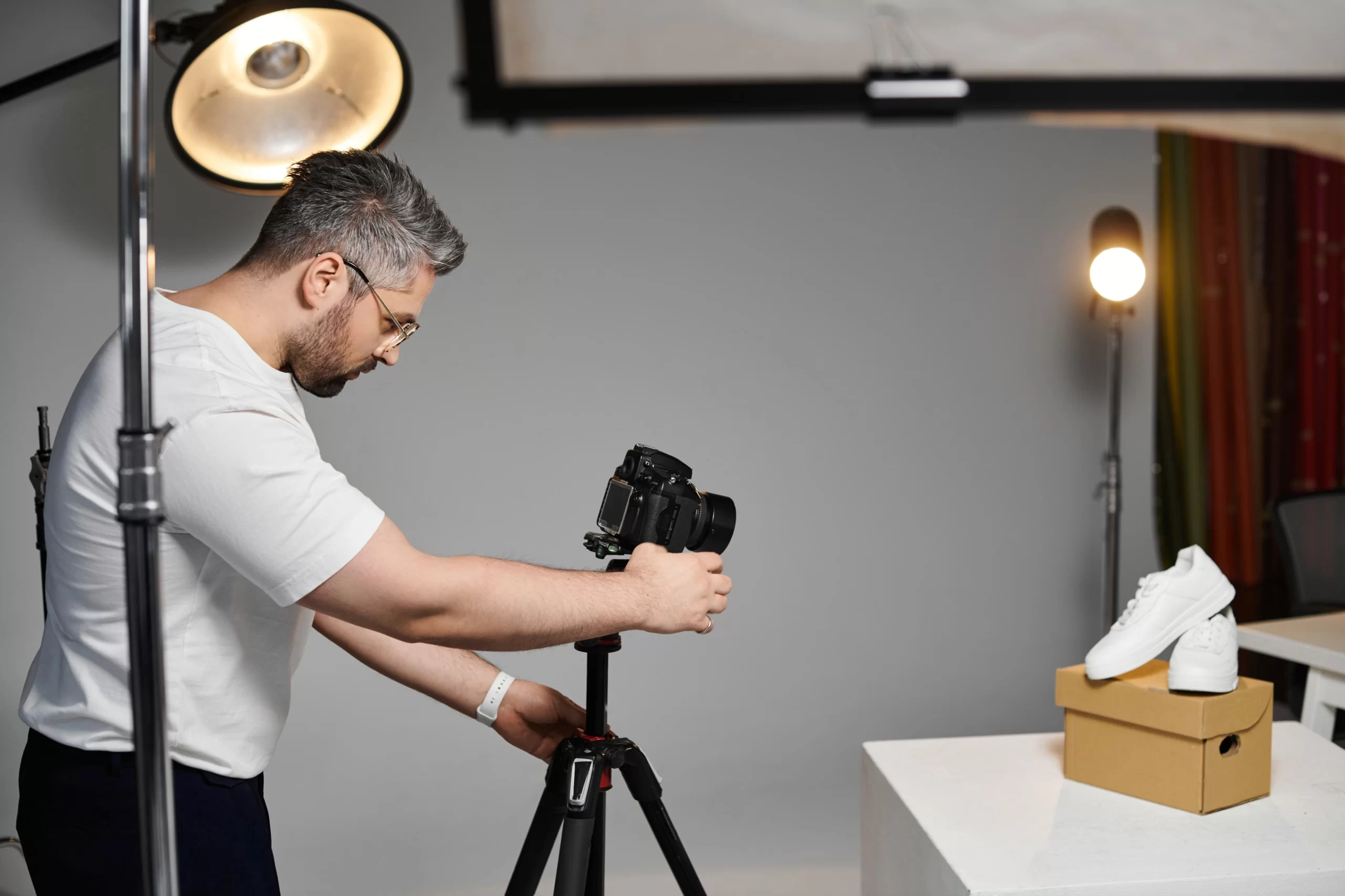
  • A decent camera and tripod


  • A clean background (white or light grey works great)


  • Softbox lighting


  • A mannequin (ideally matte, non-reflective)


  • Editing software (Photoshop is your best bet)


That’s it. Once you dial in your lighting and angles, it’s actually a pretty repeatable process—especially useful for brands with a lot of SKUs.


Real quick—where have you seen this before?


Almost every big fashion site you’ve ever visited.
Think Zara, ASOS, H&M—they live on this look. It gives off that crisp, high-end, ready-to-shop energy.


And in regions like Dubai, where eCom fashion is growing fast and buyers expect polish, brands are going all-in on ghost mannequin photography to make their catalogs stand out.


So… is it worth it?


Let’s keep it real—if you’re selling fashion online, the answer is yes.


People don’t buy what they can’t visualize. If your product shots are flat, wrinkled, or inconsistent, it doesn’t matter how great your fabric or fit is—it’ll get skipped.


Ghost mannequin photography helps your products look:


  • Consistent


  • Professional


  • And most importantly—wearable


No model required. No overthinking. Just clean, trustworthy visuals.


TL;DR for the skimmers:


  • What is ghost mannequin photography?A photo style where clothes look worn, but the mannequin is edited out.


  • Why does it work?It shows shape + fit without the distractions of a model or hanger.


  • What do you need?Mannequin, lighting, camera, Photoshop, and a little patience.


  • Who’s using it?Everyone from global fashion brands to boutique labels in Dubai and beyond.


Here’s a simple breakdown of photography styles—read more in: 10 Types of Product Photography (and How to Know Which One You Actually Need)


Final thought: Don’t overthink it


This technique doesn’t need to be complicated. You can start with one product, test the look, and go from there.


No need to rent a studio or hire a whole crew. Just focus on showing your product at its best. Because when buyers can see it clearly, they’re way more likely to buy.


If this made you think, maybe it’s time to give it a shot.
Try it on your next shoot and watch the difference it makes.


Want help getting that clean, invisible look for your own product line? Drop me a message. We’ve done this a hundred times—and we know how to make your product do the talking.
Author name:
Hari Govind
Want to connect with us
We would love to assist you on this journey. Drop us your details and let us help you.


    Other Articles
    SBA
    Inside Studio Product Photography: From Clean Shot...

    Inside Studio Product Photography: From Clean Shots to Creative Sets Let’s start with something honest.   Most people think studio…
    SBA
    Why Studios Work Best for High-Volume Ecommerce Br...

    Why Studios Work Best for High-Volume Ecommerce Brands     Ever tried managing 200 product photos in a single week?…
    SBA
    Why Premium Product Photography in Dubai Is Worth ...

    Why Premium Product Photography in Dubai Is Worth the Investment in 2026     So, here’s the truth no one…
    SBA
    Studio vs. Freelance Product Photographer in Dubai...

    Studio vs. Freelance Product Photographer in Dubai – Pros & Cons   When you’re running a brand in Dubai, you’re…

    SBA
    Packshot Photography Explained — Turning Product...

    Packshot Photography Explained — Turning Products Into Visual Bestsellers     Let’s be honest — we’ve all bought something online…