
809
The Phygital Shift.
SBA

Understanding Phygital Marketing: A Complete Guide for Modern Marketers


Let’s Start with a Simple Question:


Ever found yourself browsing sneakers online, then heading to the store to actually try them on — only to find the same online offers pop up on the in-store screen?
That’s phygital marketing in motion.


It’s that sweet spot where the physical and digital worlds overlap to create something more human, immersive, and downright convenient.


And in 2025, it’s not just a marketing buzzword — it’s how modern brands breathe.


So, What’s Phygital Marketing Anyway?


Phygital = Physical + Digital.


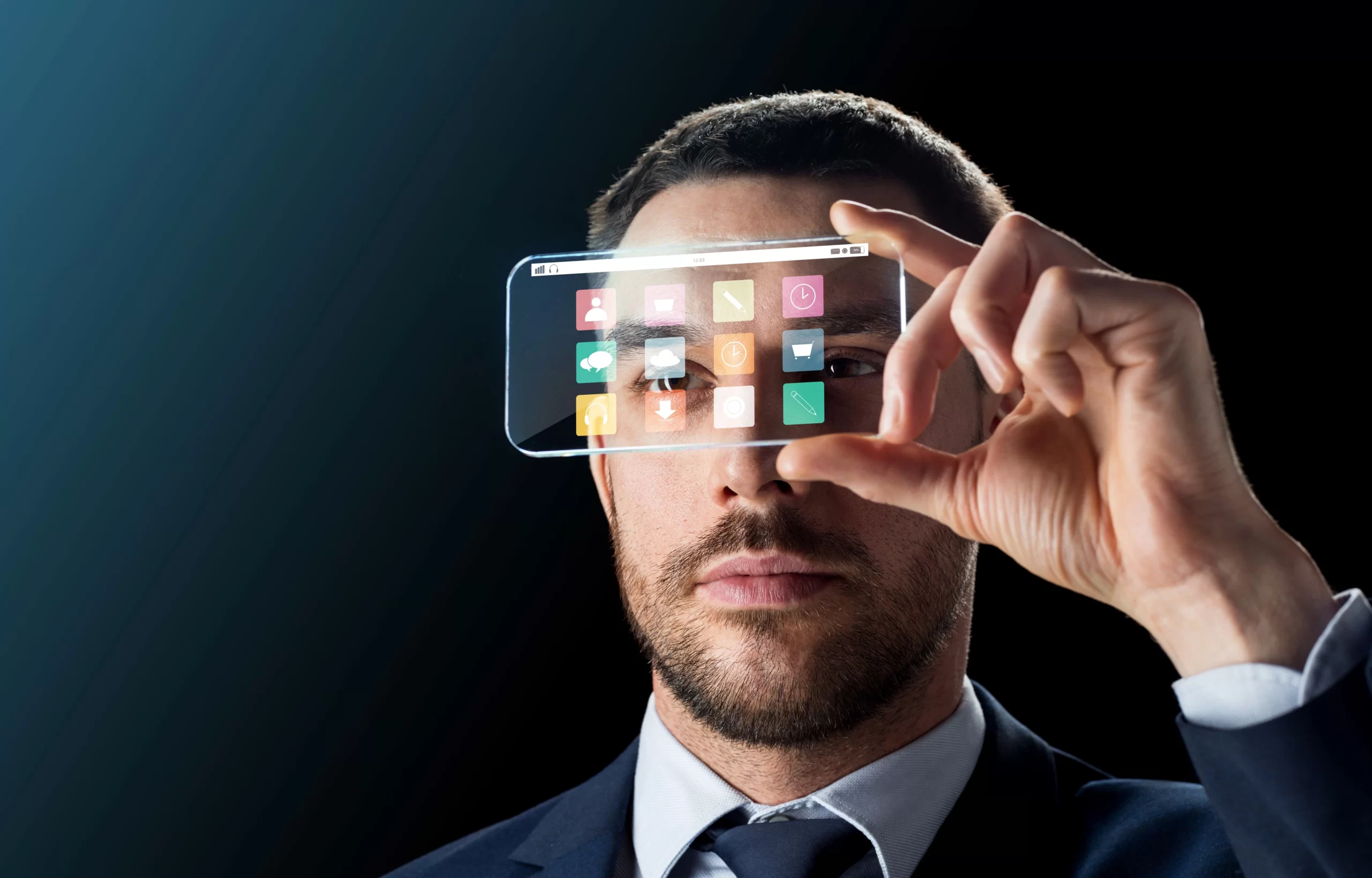
It’s about blending real-world touchpoints with digital interaction to create one seamless brand experience.


Not “either-or.”
It’s “both — together.”


You see, customers today don’t care whether they’re online or offline. They just want things to work — consistently, smoothly, and maybe even with a little magic along the way.


The term itself popped up around 2013 (coined by an Australian agency), but it really took off as technology matured and consumers got more demanding.


Why It Matters Right Now


Because people are done with disjointed experiences.


They browse on Instagram, order on a website, pick up in-store, tag it on TikTok — and expect every step to recognize who they are.


Phygital marketing does exactly that. It bridges every gap — from QR codes to AI personalization — so your brand feels like one continuous conversation instead of a bunch of disconnected ads.


And it’s not just global giants doing this.
In markets like the UAE, where malls are cultural landmarks and digital life is second nature, phygital marketing has become the new normal.


Let’s Look at It in Action


Retail: The Phygital Playground


Dubai’s 6thStreet.com store is a masterclass in phygital retail.


Walk in — no racks, no clutter. Just sleek digital screens showing 10,000+ fashion items.


You tap what you like, and within three minutes, those clothes show up in a smart fitting room for you to try on.


That’s e-commerce speed + in-store experience = a marketing win.


Even better?


It’s efficient. The store carries 2.5x more stock than a regular outlet, needs fewer staff, and customers spend more time exploring because it feels effortless.


And that’s not a one-off. Carrefour City+ (checkout-free grocery) and Mall of the Emirates’ AR navigation app show that the UAE retail scene is betting big on digital-physical integration.


Finance: From Branches to Digital Lounges


UAE banks like Mashreq and Emirates NBD have gone phygital too.


Their branches are no longer paperwork zones — they’re tech-enabled lounges with self-service kiosks and video call advisors.


You can start your loan online, finish it in-person, or pay with your phone via NFC — all part of one experience.


Even cooler: location-based push offers.


Walk near a partner restaurant and boom — your bank app pings you with a dining discount. That’s geo-triggered phygital marketing in action.


Entertainment & Events: Making Moments Interactive


Remember Expo 2020 Dubai?


It was a phygital event done right. Visitors used an app to play AR treasure hunts, earn digital passport stamps, and unlock stories through QR codes around the venue.


Even theme parks are catching on — Dubai Mall’s VR Park lets guests physically move while immersed in a virtual world.


It’s retail, content, and experience rolled into one — and people can’t resist sharing it online (free marketing alert 🚨).


Real Estate: Selling Homes with AR & VR


Buying property used to mean weekend site visits. Now?


Developers like Emaar and Damac let buyers take VR tours of villas from anywhere in the world.


You can stand in a sales gallery, point a tablet at a model, and see real-time unit prices or an AR overlay of the entire neighborhood.
For overseas investors — that’s a game changer.


As one report showed, over 70% of foreign buyers in Dubai prefer virtual tours before in-person viewings.


That’s convenience meeting confidence — the heart of phygital marketing.


How Does This All Work Behind the Scenes?


Let’s talk tools — or as marketers call them, toys for grown-ups:


  • AR & VR – immersive virtual try-ons, virtual tours, and interactive mirrors.


  • IoT & Sensors – smart beacons that send offers based on your location.


  • QR Codes – the unsung heroes connecting print, packaging, and screens.


  • AI Personalization – data-driven recommendations that follow (but don’t stalk) you across platforms.


  • Interactive Displays – those touchscreens and kiosks that make stores feel like part of the internet.


All of it powered by a single mindset: make every interaction feel connected, contextual, and convenient.


What’s the Real Payoff for Brands?


Here’s what phygital marketing brings to the table (besides bragging rights):


  • Higher engagement – people spend more time when the experience is fun and frictionless.


  • Personalization at scale – connect offline data with online behavior for smarter offers.


  • Operational efficiency – digital catalogs, smart fitting rooms, and AI-driven inventory = lower costs.


  • Brand differentiation – in competitive markets (like Dubai or Singapore), being “phygital” is now part of being premium.


Studies show phygital retail boosts conversions by up to 40%.
Not bad for something that started as a marketing experiment.


What’s Next? (Spoiler: The Future’s Already Here)


The UAE is already leading the next phase — Phygital 2.0.
Here’s what’s brewing:


  • Metaverse shopping – hybrid digital malls where you browse via AR glasses.


  • AI-powered store avatars – holographic stylists that greet you by name.


  • Smart billboards – outdoor ads that change based on the audience walking by.


  • Sustainable phygital retail – no paper receipts, smaller store footprints, greener operations.


Soon, shopping, banking, or even studying will all happen in blended spaces — half real, half virtual, all human.


Final Thought


Phygital marketing isn’t about chasing tech. It’s about understanding people.


People want experiences that feel effortless, connected, and meaningful.
Whether they’re tapping, scanning, swiping, or just walking into your store — they want to feel like the brand “gets” them.


So maybe ask yourself this:


“If my brand disappeared tomorrow, would customers miss the experience — or just find another link?”


Because the best phygital brands don’t just show up where people are.
They show up in ways that make people remember them.
Author name:
Hari Govind
Want to connect with us
We would love to assist you on this journey. Drop us your details and let us help you.


    Other Articles
    SBA
    AI Search Is the New SEO: What Smart Entrepreneurs...

    AI Search Is the New SEO: What Smart Entrepreneurs Are Doing in 2026 If you’ve been in the digital world…
    SBA
    Why Meta’s Andromeda Update Will Matter More to ...

    Why Meta’s Andromeda Update Will Matter More to Your Business in 2026 Than You Think     If you’ve been…
    SBA
    Visual Storytelling in Marketing: How to Make Your...

    Visual Storytelling in Marketing: How to Make Your Brand Unforgettable     You know that feeling when a single image…
    SBA
    The Role of Content Marketing for Small Business (...

    The Role of Content Marketing for Small Business (And Why It’s Not Just a “Big Brand” Thing)     You…
    SBA
    Why Every Creative Agency Needs a Digital Marketin...

    Why Every Creative Agency Needs a Digital Marketing Backbone   Let’s be honest — being a creative agency today without…