

936
Dubai: Designed Forward
SBA

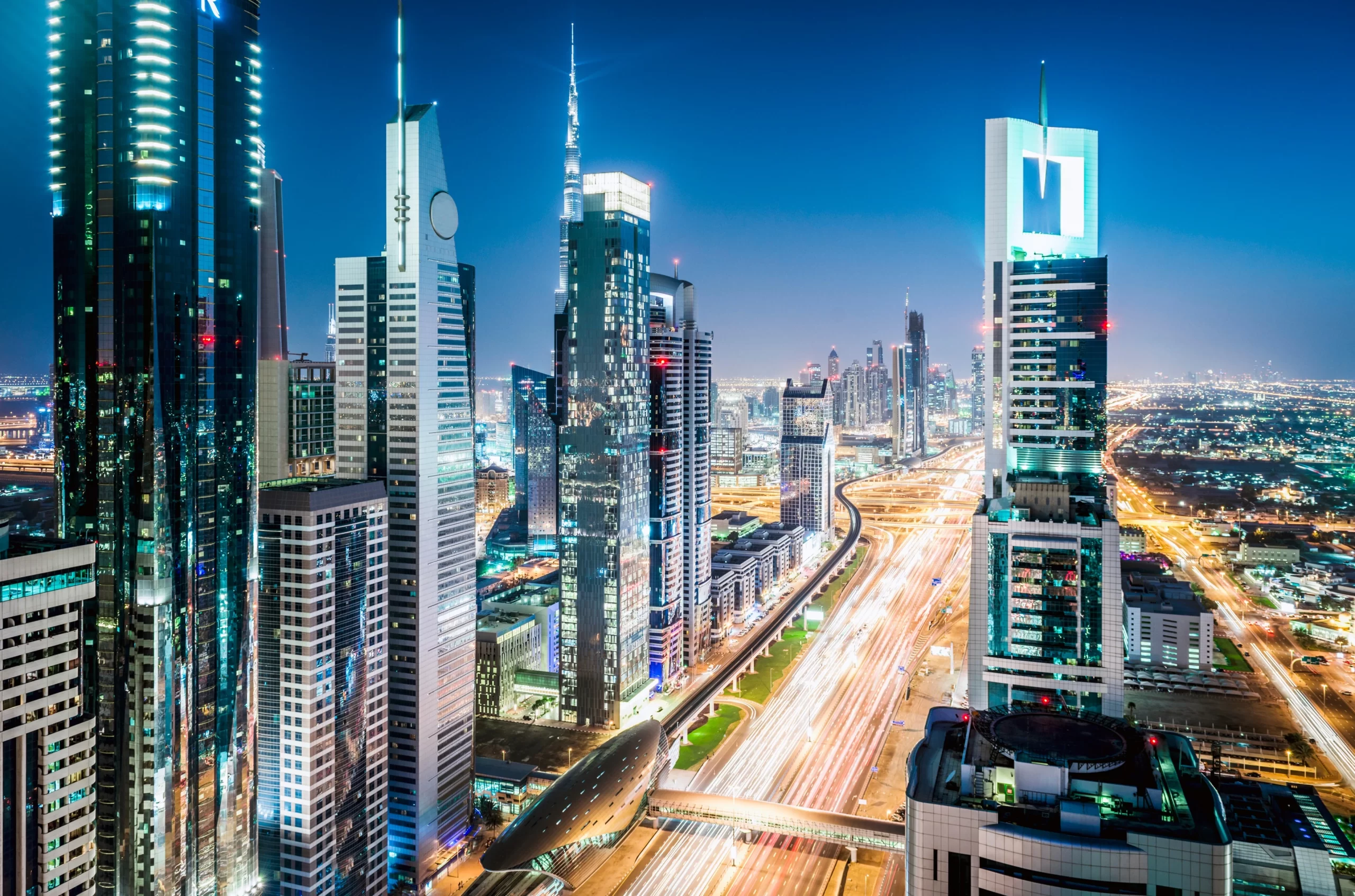
The Dubai Branding Reset 2026: Why Identity, Culture, and AI Are Redefining Market Leadership in the UAE


Let’s be honest — five years ago, if you mentioned “branding” in a boardroom, half the people were thinking about logos and color palettes. Pretty stuff. Visual identity. Maybe a fancy brand book that collected dust on a shelf.


But here’s the thing: dubai branding 2026 looks nothing like that anymore.


We’re talking about a complete reset. Branding isn’t decoration — it’s your revenue engine, your AI-powered personalization machine, your cultural translator, and your ticket to trust in one of the world’s most sophisticated markets.


If you’re building, scaling, or rethinking your brand in the UAE right now, this shift matters. A lot.


Dubai’s 2026 Branding Shift: From Visual Identity to Revenue Engine


So what changed?


Simple. Brands stopped asking “Does this look good?” and started asking “Does this make money?”


Performance branding is the new normal. Every campaign, every touchpoint, every tiny design choice gets tracked back to actual business outcomes. Sales. Conversions. Customer lifetime value. The whole deal.


Take Expo 2020 Dubai as an example. That event didn’t just look impressive — it added US$6.6 billion to the city’s brand value. That’s not vanity metrics. That’s economic impact you can measure.


And here’s where it gets interesting: by 2025, around 70% of UAE companies are expected to shift most of their budget to data-driven digital campaigns. It’s not that creativity died — it just got smarter. Now your brand assets are tested, optimized, and tied directly to ROI.


But there’s another layer too. Emotional ROI.


Dubai’s luxury hotels discovered that guests who feel “personally recognized” return about 40% more often. That’s the power of building emotional connections at scale. Your brand isn’t just selling products — it’s creating experiences that people remember, trust, and come back to.


The bottom line? If your branding strategy isn’t performance-driven by now, you’re already behind.


AI-Driven Brand Personalization: The New Competitive Advantage in the GCC


You know what’s wild? The UAE and Saudi Arabia have the highest GenAI adoption rates globally. We’re talking 58% of consumers already using tools like ChatGPT. Not marketers. Regular people.


And businesses? They’re all in. About 84% of Gulf organizations have embraced AI in some form by 2025, up from just 62% two years earlier.


So what does that mean for branding?


Everything gets personal. Not “Dear [First Name]” personal. We’re talking millions of micro-segments, AI-generated push notifications tailored to individual behavior, and real-time decisioning about what content to serve each user.


Anghami (that regional music streamer) saw a 48% engagement boost just by using AI to personalize their notifications. A local telecom’s bilingual AI chatbot helped drive AED 1.3 billion in transactions over four months.


This isn’t futuristic stuff anymore. It’s table stakes.


The brands winning in dubai branding 2026 are the ones using AI to optimize everything — from ad creative before it even launches to predicting which customers will buy and when. They’re building chatbots that converse in Arabic and English 24/7, creating ultra-relevant product recommendations, and basically ensuring no customer falls through the cracks.


If you’re not experimenting with AI personalization right now, your competitors definitely are.


Cultural Intelligence as a Branding Superpower in a Multinational City


Here’s a fun fact: Dubai has over 200 nationalities living and working in one city.


Which means your brand better speak more than one language — and I’m not just talking about Arabic and English (though yeah, you absolutely need both).


Cultural intelligence is what separates brands that thrive from brands that just… exist.


Think about it. Direct translation isn’t enough. You can’t just run your English campaign through Google Translate and call it localized. The tone shifts. The imagery matters. Even the symbols you use carry different weight depending on who’s looking.


Successful brands in Dubai give equal prominence to Arabic and English in their interfaces. Apps like Careem let you toggle seamlessly between languages. Campaigns during Ramadan incorporate lanterns, crescents, and Arabic calligraphy — not as decoration, but as genuine cultural connection.


And it works. Research shows that when audiences see brands respecting their cultural identity, they trust them more. Simple as that.


So if you’re building a brand here, ask yourself: does your messaging feel locally rooted? Are you working with regional influencers who share your audience’s heritage? Are your visuals inclusive and familiar, or do they scream “stock photo from another continent”?


Dubai’s smartest brands speak many languages and use many cultural references — but they do it with one consistent, authentic voice.


The Rise of Purpose-Led Brands in the UAE (And Why Gen-Z Is Driving It)


Quick question: when’s the last time you bought something just because it was good quality?


Probably not recently, right? These days, people — especially younger ones — care about what brands stand for.


In the UAE, two-thirds of consumers now prefer brands that prioritize sustainability. And get this: 73% say they’ll actually pay more for eco-friendly products. That’s not virtue signaling. That’s real buying behavior.


Gen Z and millennials are leading this charge. About 65% of young GCC consumers would boycott brands that harm the environment. Seven in ten millennials will spend extra on sustainable options.


Why does this matter for dubai branding 2026?


Because purpose isn’t optional anymore — it’s profitable. Hotels with eco-certifications see guests spending about 26% more per stay. Startups highlighting ethical sourcing and community programs cut through the noise faster.


The UAE’s Net Zero 2050 strategy and hosting COP28 mean sustainability is baked into the national agenda. Brands aligning with these initiatives aren’t just doing good — they’re building long-term relevance.


So yeah, if your brand doesn’t have a purpose beyond profit, it’s time to find one. And then actually walk the talk.


Digital-First Identity: Why 2026 Brands Need to Lead With Online Presence


Let’s talk numbers for a second.


The UAE has 99% internet penetration. Basically everyone’s online. Social media accounts actually exceed the population — we’re talking 115% penetration. Platforms like WhatsApp and Facebook reach 86% and 80% of adults.


Here’s the kicker: more than half of Emiratis research brands on social media before buying anything.


Translation? If you’re not leading with a killer digital presence, you’re invisible.


Your brand story has to start on screens. Mobile-first websites. Slick social profiles. Apps. Digital ads. Even offline materials need to match what people see online — in style, tone, and information.


This isn’t about having a website. It’s about having a flawless user experience everywhere. Sites that load instantly. Content that’s visually polished and reflects that premium local aesthetic. Navigation that’s so intuitive your grandma could use it (in either Arabic or English).


Banks and retailers now offer in-app account opening and virtual showrooms. Luxury real estate gives VR tours. Every industry is going digital-first because that’s where the audience lives.


Bottom line: in dubai branding 2026, your digital presence is your identity. If it’s not authoritative, engaging, and locally relevant on every screen, you’re not earning trust.


Visual Consistency Across Platforms: The Currency of Trust in the Middle East


Here’s something Dubai audiences care about a lot: premium visuals.


Consistency in how your brand looks and feels — across Instagram, your website, storefronts, even employee uniforms — signals professionalism. It builds trust.


Think about Expo 2020 again. Same fonts, same colors, same geometric patterns everywhere. From pavilions to digital media to social graphics. That consistency created a cohesive, VIP experience that spectators trusted and remembered.


Leading UAE brands enforce rigid design systems. The exact same color palette, typography, and photo style show up everywhere. Any variance? It confuses customers and weakens trust.


Because here’s the thing: familiarity breeds trust. When people see a coherent brand identity, they feel assured it’s the same company they encountered before. But mismatched visuals — like a sleek website paired with amateurish flyers — create suspicion instantly.


So in 2026, visual consistency isn’t just nice to have. It’s brand currency. It’s how you buy customer confidence in one of the world’s most design-conscious markets.


The “Speed Branding” Era: Why Agile Identity Systems Are Winning in 2026


Remember those massive brand manuals? Hundreds of pages dictating exactly how to use the logo, with barely any flexibility?


Yeah, those are dying.


The fastest-growing brands now build modular identity systems. Think of it like LEGO blocks — you have core elements that stay consistent, but you can swap in different colors, icons, or accents depending on the campaign or season.


A telecom might shift its logo colors for Ramadan. A retailer might theme everything in emerald and gold for UAE National Day. Because the system’s built for flexibility, these tweaks don’t dilute the brand — they keep it fresh and culturally relevant.


Guidelines live in collaborative platforms like Figma, so teams can quickly assemble on-brand materials without waiting weeks for approvals.


This is what “speed branding” looks like in dubai branding 2026. You’re not locked into static rules. You’re working with adaptive logos, flexible color palettes, and component libraries that anyone can use.


The payoff? Marketing teams can launch culturally-tuned campaigns in days instead of months. Your brand stays always-fresh, never-stale.


Creator-Economy Influence: How Dubai’s Creator HQ Is Shaping Brand Perception


In January 2025, Dubai opened a $40.8 million “Creators HQ” with a goal to attract 10,000 influencers to the city.


That’s not a trend. That’s a strategy.


The UAE is betting heavily on the creator economy, and brands that ignore it are missing out. Because here’s the reality: 73% of MENA consumers have bought something after seeing an influencer mention it.


Influencers aren’t just paid endorsers anymore — they’re brands themselves. And the smartest companies are co-creating with them from day one.


Boutique retailers recruit micro-creators to generate authentic content. Luxury hotels turn their chefs into social media storytellers. Fintech apps partner with financial influencers to explain services in plain language.


And don’t sleep on nano-influencers. The region has over 13 million of them — hyper-local voices with tight-knit communities and high trust.


So if you’re building a brand in Dubai right now, you need to invite creators to the table. Whether it’s through KOL endorsements, influencer-designed products, or open UGC campaigns, co-creation trumps top-down ads every time.


High-Net-Worth Audience Expectations: Luxury Branding Standards in 2026


Dubai’s affluent market doesn’t mess around.


High-net-worth individuals here expect exclusivity, risk-free value, and premium experiences at every touchpoint. Your branding cues better signal prestige immediately — heritage fonts, subtle metallic accents, narratives around legacy and innovation.


In digital channels, this means ultra-refined UX. Websites and apps that are flawlessly designed, multilingual (Arabic and English), and secure. Private communication channels. Concierge-level service baked into the interface.


Trust-building with this audience takes time. The sales funnel is long: awareness ads in elite circles, followed by high-touch content like webinars and CEO introductions to demonstrate authority. Only then do personalized conversion offers come — ideally through invitation-only previews or events.


Marketing to HNWIs in Dubai means operating at global-luxury standards. Every graphic, every interaction needs to convey craftsmanship and reliability.


When you nail it? These clients bring massive lifetime value and word-of-mouth in tight social circles. Worth the effort.


Why 2026 Will Be the Biggest Growth Year for UAE SMEs Going Digital


Small businesses and startups: this is your moment.


The UAE government has pumped billions into SME growth programs. Free zones offer 100% foreign ownership. Nearly every resident has a smartphone and high-speed internet, and the government is actively investing in digital trade infrastructure.


E-commerce is exploding. UAE online sales hit AED 32.3 billion (~US$8.8 billion) in 2024, with projections to reach AED 50.6 billion (~US$13.8 billion) by 2029.


That growth is driven by a young, mobile-first consumer base. For SMEs, the potential market has never been larger or more accessible.


New brands are racing online — setting up Shopify/Noon/Amazon storefronts, using local delivery apps, running digital marketing from day one. Brands that went fully digital can now scale from a home office to GCC-wide presence in months.


The confluence of tech infrastructure, government support, and connected consumers makes 2026 a landmark year. If you’re an SME leaning into e-commerce and digital branding now, you’ll capture the lion’s share of this wave.


Lead Generation Through Branding: How UAE Companies Are Merging Brand + Performance


Here’s where things get really interesting.


Dubai marketers are blurring the lines between branding and direct response. It’s not “brand awareness” or “lead generation” anymore — it’s both, all the time.


Campaigns now weave awareness and conversion together. A single video ad tells a brand story but includes a CTA. Everyone who watches gets retargeted with a lead form. Brand familiarity actually amplifies ad ROI because consumers convert more readily when things feel familiar.


Companies set shared KPIs like “brand lift plus web leads” and run mixed-objective campaigns. Meta’s Advantage+ shopping ads optimize for clicks and brand engagement simultaneously.


The takeaway? Branding now generates leads. And ads reinforce branding. It’s one cohesive, full-funnel approach.


The future of dubai branding 2026 is integrated, not siloed.


What Startups Must Prioritize in 2026 to Build a Scalable Brand in Dubai


Alright, if you’re launching something new in the UAE, here’s your checklist:


Clear Identity Foundation
Craft a distinctive name, logo, and visual identity from day one. Without strong visuals, you’ll get lost in the crowd. Your colors, fonts, and imagery should cohesively express your value proposition.


Consistent Positioning and Messaging
Define exactly what problem you solve and for whom. Then communicate it with crystal clarity everywhere. Inconsistent messaging confuses customers fast.


Professional Customer Experience
Every interaction needs to feel high-quality. Invest early in a polished website (in both English and Arabic), sleek packaging, and reliable service touchpoints. Dubai customers don’t trust easily if brands feel amateur.


Cultural Resonance
Localize for the UAE audience. Use bilingual content, reflect local aesthetics, respect cultural norms. Including Arabic language and regionally relevant imagery builds massive trust.


Trust Signals
Feature official stamps, endorsements, certifications. Show customer testimonials and case studies, especially with recognizable local names. In a market where personal recommendation matters, these cues reassure buyers you’re legitimate.


Agility and Authenticity
Build a dynamic identity system so you can adapt messaging for promotions or cultural events without full rebrands. Be ready to co-create with local influencers — participatory campaigns win here.


Focus on these fundamentals and you’ll launch with confidence. Because branding isn’t just pretty packaging — it’s your business engine for trust, loyalty, and growth.


The Takeaway


Dubai branding 2026 is about integration, intelligence, and inclusivity.


It’s about treating your brand as a measurable revenue engine. Leveraging AI for hyper-personalization. Infusing cultural intelligence into every campaign. Aligning with Gen Z values around purpose and sustainability. Leading digital-first while maintaining premium visual consistency across every platform.


It’s about building agile systems ready for rapid shifts, engaging the creator economy, and meeting luxury standards if that’s your market. And for SMEs, it’s about seizing this explosive growth moment with government backing and digital infrastructure.


Most of all? It’s about merging brand-building and performance into one continuous funnel where creative storytelling drives actual leads and revenue.


If you’re in Dubai — whether you’re an established brand rethinking your strategy or a startup just getting going — this is your playbook. Adapt. Stay authentic. Stay customer-focused.


Because the brands that thrive here won’t just survive the reset. They’ll define it.
Author name:
Aisha Akif
Want to connect with us
We would love to assist you on this journey. Drop us your details and let us help you.


    Other Articles
    SBA
    AI-Driven Brand Personalization: The New Competiti...

    AI-Driven Brand Personalization: The New Competitive Advantage in the GCC     You know that feeling when an app recommends…
    SBA
    The Rise of Purpose-Led Brands in the UAE (And Why...

    The Rise of Purpose-Led Brands in the UAE (And Why Gen-Z Is Driving It)     A quick thought experiment.…
    SBA
    The “Speed Branding” Era: Why Agile Identity S...

    The “Speed Branding” Era: Why Agile Identity Systems Are Winning in 2026     There’s a quiet tension most brands…
    SBA
    High-Net-Worth Audience Expectations: Luxury Brand...

    High-Net-Worth Audience Expectations: Luxury Branding Standards in 2026     Dubai’s luxury market doesn’t announce itself loudly anymore. It doesn’t…

    SBA
    Why 2026 Will Be the Biggest Growth Year for UAE S...

    Why 2026 Will Be the Biggest Growth Year for UAE SMEs Going Digital     If you run a small…