
847
In the Glow of Creation
SBA

10 Lighting Techniques Every Brand Photographer Must Master Before 2026


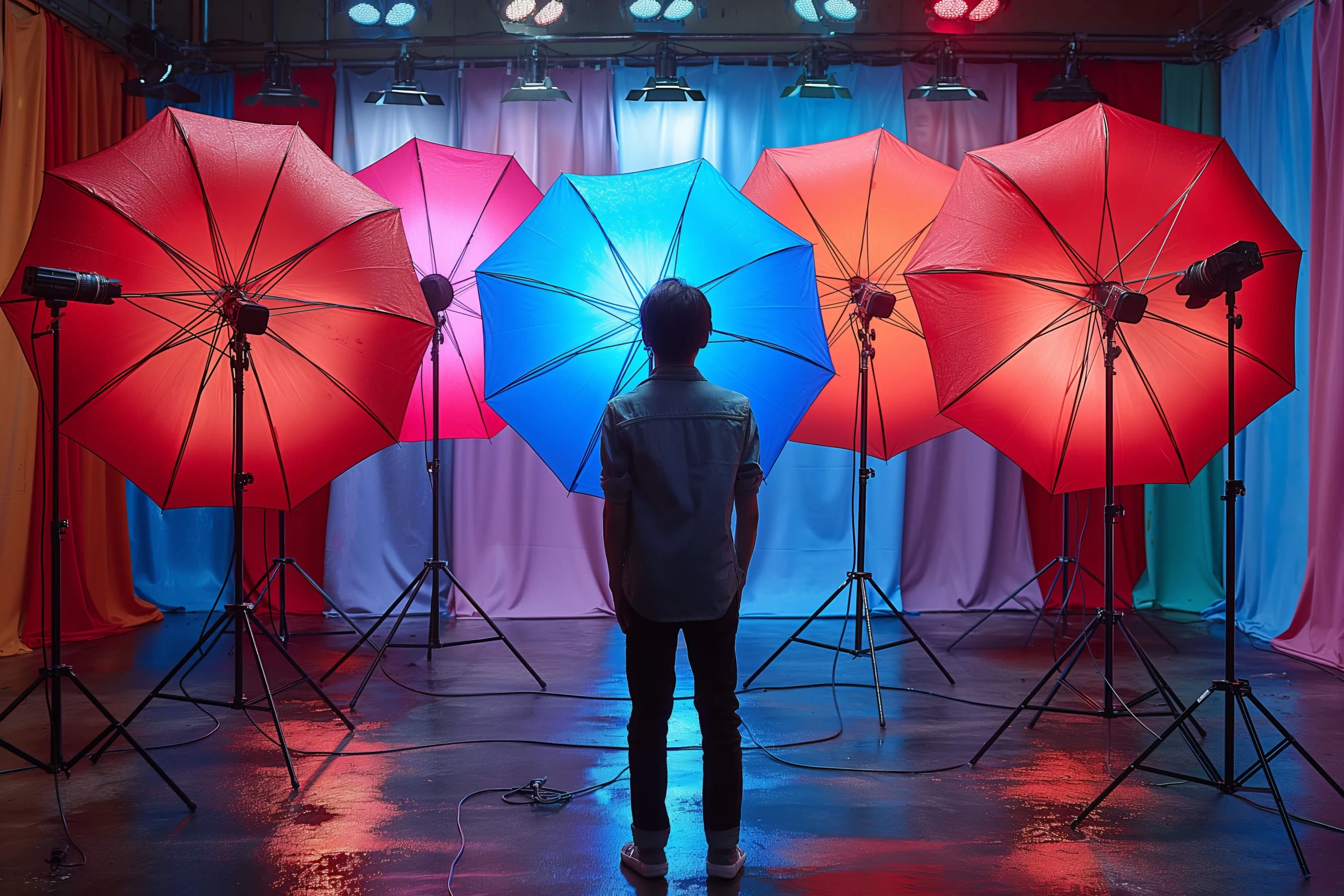
Ever noticed how some brand photos just feel premium — even before you know the brand name? That’s lighting doing the heavy lifting. It’s not just about brightness or shadows. It’s storytelling, sculpting emotion, and defining identity — all with a few well-placed lights.


So, if you’re serious about mastering your craft before 2026, these ten photography lighting techniques will be your creative edge. Let’s break them down — no jargon, just what works and why.


1. Butterfly Lighting


What it is:
This one’s a classic — a key light placed directly in front and slightly above the subject, creating a little butterfly-shaped shadow under the nose.


Why we use it:
Think beauty, skincare, or luxury brands. This setup smooths the skin, sharpens cheekbones, and gives a polished, high-end finish. Perfect for when you want your subject to look effortlessly flawless.


How to use it:
Pop your softbox or beauty dish just above your camera, around a 45° tilt downward. Add a reflector under the chin for that luminous, editorial glow. It’s clean, controlled, and always flattering.


2. Rembrandt Lighting


What it is:
A painter’s trick turned photographer’s secret weapon. One side of the face is lit, the other falls into shadow — with that signature triangle of light under the eye.


Why we use it:
It brings mood and story to the frame. Ideal for portraits with depth — think founders, creatives, or bold brand leaders. It adds authority and intrigue without overcomplicating things.


How to use it:
Keep your key light about 45° to the side and slightly above eye level. Move it until you see that perfect triangle of light under the eye. Boom — you’ve got Rembrandt.


3. Loop Lighting


What it is:
A small, soft shadow looping off the nose — balanced and flattering.


Why we use it:
Great for approachable, professional brand visuals — like lifestyle shoots or team portraits. It feels natural and polished, without being dramatic.


How to use it:
Position your light 30–45° from your camera’s axis, a bit above the subject’s eye line. Use a softbox to keep shadows easy on the eyes.


4. Split Lighting


What it is:
Half the face is lit, half in shadow — literally a 50/50 split.


Why we use it:
Cinematic. Powerful. Dramatic. This is your go-to for conceptual campaigns or statement portraits. It screams personality and attitude.


How to use it:
Place your light at a 90° angle to one side of your subject, just above eye level. No fill light — let those shadows breathe.


5. Short Lighting


What it is:
You light the side of the face that’s turned away from the camera, leaving the side closest in shadow.


Why we use it:
It’s slimming, moody, and emotional — great for reflective or storytelling visuals. When you want to show depth without drama, this one nails it.


How to use it:
Set your key light on the far side from the camera. Turn your subject slightly toward the light until the farther cheek glows while the closer side fades into shade.


6. Broad Lighting


What it is:
The side of the face facing the camera is illuminated, and the far side sits in shadow.


Why we use it:
Creates an open, friendly vibe. Perfect for team portraits, lifestyle campaigns, or BTS brand shoots that want a confident, genuine look.


How to use it:
Place your light on the same side as the camera. Turn your subject slightly away from it — that’s your balance point.


7. Clamshell Lighting


What it is:
Two lights (or a light + reflector) — one above, one below — wrap around your subject like a clamshell.


Why we use it:
If beauty brands had a lighting love language, this would be it. Even, luminous, and smooth. You’ll see it everywhere from influencer shoots to luxury product visuals.


How to use it:
Set your main light slightly above and in front of the subject. Then place a reflector (or soft light) below the chin, angled up. You’ll see those perfect catchlights instantly.


8. High-Key Lighting


What it is:
Bright, low-contrast lighting that minimizes shadows and emphasizes whites or soft colors.


Why we use it:
Think wellness, lifestyle, and modern fashion brands. It radiates honesty, joy, and cleanliness — visually and emotionally.


How to use it:
Use multiple soft lights or big diffusers from the front and sides. Balance exposure carefully — no hotspots, just airy smoothness.


9. Low-Key Lighting


What it is:
The opposite of high-key — deep shadows, a single light source, and lots of contrast.


Why we use it:
Luxury brands live for this. It feels expensive, mysterious, and cinematic. Perfect for high-end products, moody storytelling, or emotional portraits.


How to use it:
Use one controlled light to the side or slightly behind your subject. Shape the light with grids or barn doors. Let the darkness do its magic.


10. Rim / Back Lighting


What it is:
A light behind your subject that creates a glowing edge — a rim of separation from the background.


Why we use it:
It makes your subject pop. Literally. This trick adds dimension, especially in lifestyle or outdoor brand visuals. It’s subtle but makes a world of difference.


How to use it:
Place a light or small strip behind the subject, aimed toward their back or shoulders. Adjust brightness so it complements, not competes, with your main light.


Wrapping it all up


Here’s the thing — lights aren’t just tools. They’re storytellers.Mastering these photography lighting techniques means you’re not just capturing faces; you’re capturing feelings.
So, as you head into 2026, don’t just aim to “light” your subjects — learn to shape them. Experiment, play around, and let your intuition guide the shadows and highlights.
Because when your lighting is intentional, your brand visuals stop being just photos — they become emotion in pixels.


Now, go on — grab that softbox, hit the switch, and see what story your next frame tells.

Author name:
Aisha Akif
Want to connect with us
We would love to assist you on this journey. Drop us your details and let us help you.


    Other Articles
    SBA
    AI in Content Strategy: Smarter Scripts, Better Ho...

    AI in Content Strategy: Smarter Scripts, Better Hooks, Faster Turnarounds     Most content doesn’t fail because brands lack ideas.…
    SBA
    LLMs in Product Photography: From Creative Ideas t...

    LLMs in Product Photography: From Creative Ideas to Automation     Let’s be honest—photography isn’t just about clicking a product…
    SBA
    50 Fresh Shoot Ideas to Dominate Your 2026 Brand C...

    50 Fresh Shoot Ideas to Dominate Your 2026 Brand Calendar     You know how some brands just get it?…
    SBA
    7 Ways AI Can Rescue Bad Photos Instantly   &...

    7 Ways AI Can Rescue Bad Photos Instantly     We’ve all been there. You click a photo, check it…

    SBA
    2025’s Best AI Photo Editors for Photographers, ...

    2025’s Best AI Photo Editors for Photographers, Creators & Brand Builders     Work smarter, not harder: these AI tools…