

628
Echoes of Dunes
SBA

Heritage Narratives – Bedouin Stories and Branding


Ever noticed how some brands feel like they’ve got a soul? Like they’re not just selling you something—they’re letting you in on a story. That’s not an accident. It’s branding at its most human level. And in the Middle East, especially in Dubai and across the UAE, a lot of these stories go way back to Bedouin traditions. We’re talking folklore, desert life, resilience… the kind of stuff that isn’t just history but still shapes how people see the region today.


Now here’s the fun part: brands aren’t leaving those tales in dusty books or grandparents’ memories. They’re remixing them for the digital age. Let’s break it down.


Oral Traditions to Digital Campaigns: Translating Bedouin Folklore


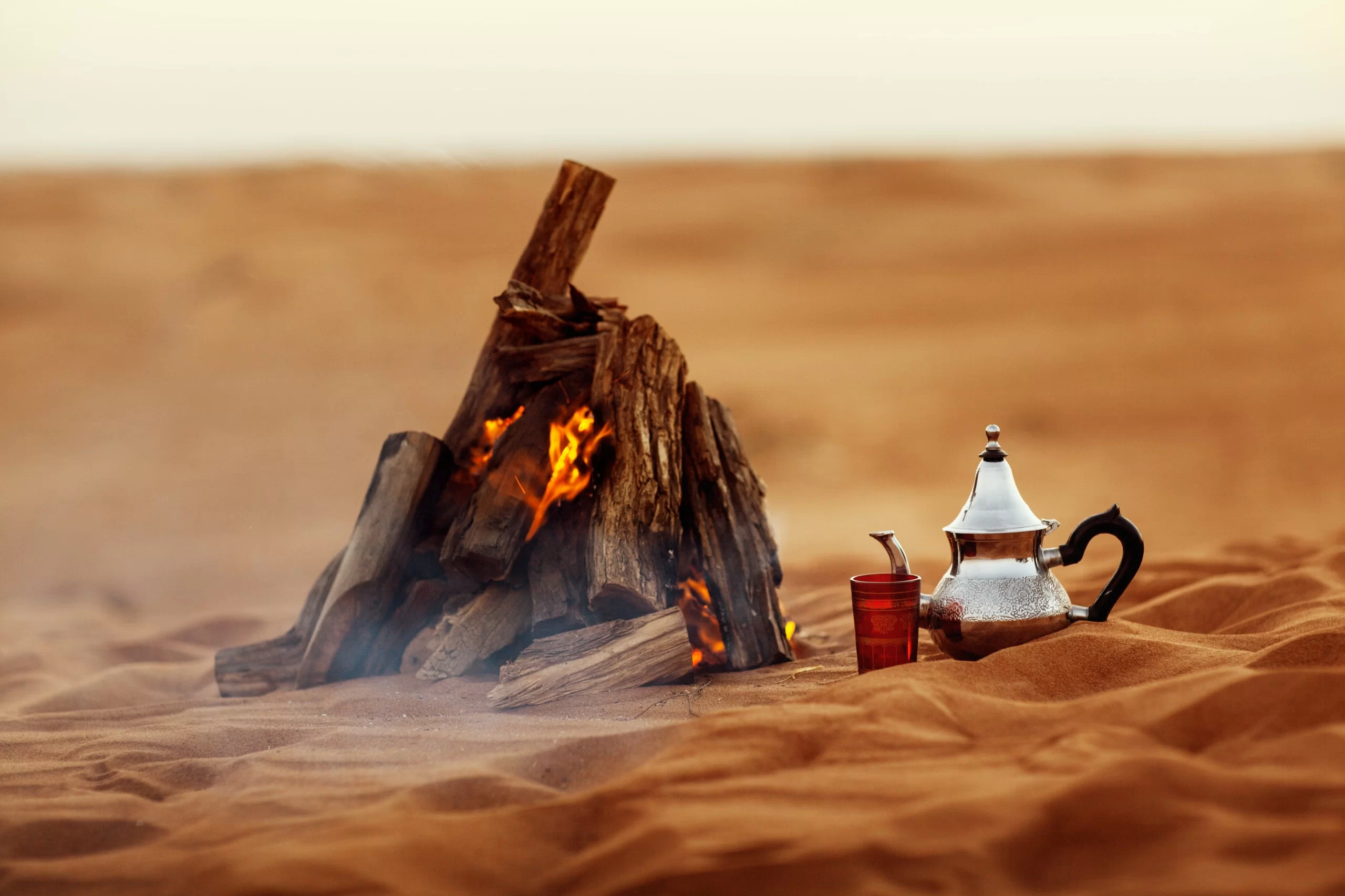
For centuries, Bedouin stories lived around campfires. Legends of the desert winds, survival hacks, tales of courage—they were passed down by word of mouth. Fast-forward to now, and guess what? Those same narratives are popping up on TikTok, podcasts, and even AI-generated animations.


Take Dubai Culture’s “Stories of the Desert” campaign (2023–24). Instead of letting those folk tales fade away, they digitized them for Gen Z. Picture it: desert myths turned into short-form Instagram Reels, complete with modern visuals and catchy sound design. Suddenly, a 200-year-old story about survival in the dunes feels like content you’d share with a friend.


And that’s the magic—brands tapping into heritage without making it feel like a museum lecture. They’re using tech, but they’re also keeping it personal, like someone’s whispering an old story into your ear… only now through a pair of AirPods.


The Desert as a Brand Symbol: Sand, Camels & Nomadic Identity


Here’s the thing: the desert isn’t just geography. It’s branding gold.


Look at how luxury hospitality brands are selling the desert in 2025. Resorts like Al Maha Desert Resort and Bab Al Shams aren’t just giving you a hotel room—they’re selling you “heritage immersion.” You book a stay and suddenly you’re stargazing under endless skies, learning falconry, or hopping on a camel safari. It’s not tourism, it’s storytelling you can live inside.


And governments? They’ve been using desert imagery for years. Sand becomes a metaphor for resilience. Endless dunes = limitless opportunity. It’s the kind of symbolism that slides seamlessly into national campaigns, branding the region as strong, enduring, and future-ready.


In short, the desert isn’t empty—it’s overflowing with brand cues.


Case Study: Luxury Resorts Using Bedouin-Inspired Narratives


Let’s get specific. Al Maha Desert Resort has been rolling out ad films that don’t just show a fancy pool or a spa. Instead, they lean into Bedouin lifestyle storytelling—think intimate desert tents, falcons on the arm, poetry in the night air. The message? You’re not just buying a vacation. You’re buying into an identity that feels ancient, noble, and deeply rooted in place.


Even Expo 2020’s cultural pavilions are still influencing branding today. If you walked through them, you know how they blended tradition with innovation. That mix didn’t just end when the Expo closed. It seeped into how brands and events in Dubai now approach identity: rooted in heritage but always future-facing.


And that’s really the formula—take a centuries-old narrative, remix it with modern aesthetics, and serve it as an experience people want to post about.


Why This Works (and Why It’s Not Just Nostalgia)


You might wonder—why bother weaving old stories into branding at all? Here’s why:


  • Authenticity sells. People can sniff out copy-paste branding a mile away. But heritage? That feels real.


  • Shared identity. Locals feel proud, tourists feel intrigued—it’s a win-win.


  • Emotional stickiness. Stories are easier to remember than slogans. And Bedouin stories? They’re built for impact.


In a world where every brand is screaming for attention, grounding yourself in something timeless gives you an edge. It’s less “we’re a brand” and more “we’re a living story you can be part of.”


Want a broader perspective on culture and modernity? Read: How Dubai Brands Integrate Culture & Modernity.


Wrapping It Up


At the end of the day, branding isn’t just colors, logos, or catchy taglines. It’s about creating meaning people actually feel. And when you pull from heritage—especially narratives as rich as the Bedouin ones—you’re not just borrowing history. You’re giving it new life.


So next time you see a desert campaign, a camel in a resort ad, or a podcast telling old folktales in bite-sized form, remember: that’s not random. That’s heritage storytelling turned into branding fuel.


And maybe ask yourself—what’s your brand’s Bedouin story? Because trust me, every brand has one. It’s just waiting to be told.
Author name:
Aisha Akif
Want to connect with us
We would love to assist you on this journey. Drop us your details and let us help you.


    Other Articles
    SBA
    AI-Driven Brand Personalization: The New Competiti...

    AI-Driven Brand Personalization: The New Competitive Advantage in the GCC     You know that feeling when an app recommends…
    SBA
    The Rise of Purpose-Led Brands in the UAE (And Why...

    The Rise of Purpose-Led Brands in the UAE (And Why Gen-Z Is Driving It)     A quick thought experiment.…
    SBA
    The “Speed Branding” Era: Why Agile Identity S...

    The “Speed Branding” Era: Why Agile Identity Systems Are Winning in 2026     There’s a quiet tension most brands…
    SBA
    High-Net-Worth Audience Expectations: Luxury Brand...

    High-Net-Worth Audience Expectations: Luxury Branding Standards in 2026     Dubai’s luxury market doesn’t announce itself loudly anymore. It doesn’t…

    SBA
    Why 2026 Will Be the Biggest Growth Year for UAE S...

    Why 2026 Will Be the Biggest Growth Year for UAE SMEs Going Digital     If you run a small…